

Seller resources · Selling Options
What’s the best way to sell your property?
By Olive Tree Homes
Published October 16, 2026
On this page
You can seek a direct cash offer, put the property on the market as-is, prepare it for retail buyers, or handle the sale yourself. Choose based on your timeline, repair budget, and expected proceeds.
Key takeaways
- You can reach more buyers without renovating the property first.
- A cash offer and broader market exposure can be part of the same selling plan.
- Compare the work, costs, and written terms alongside the sale price.
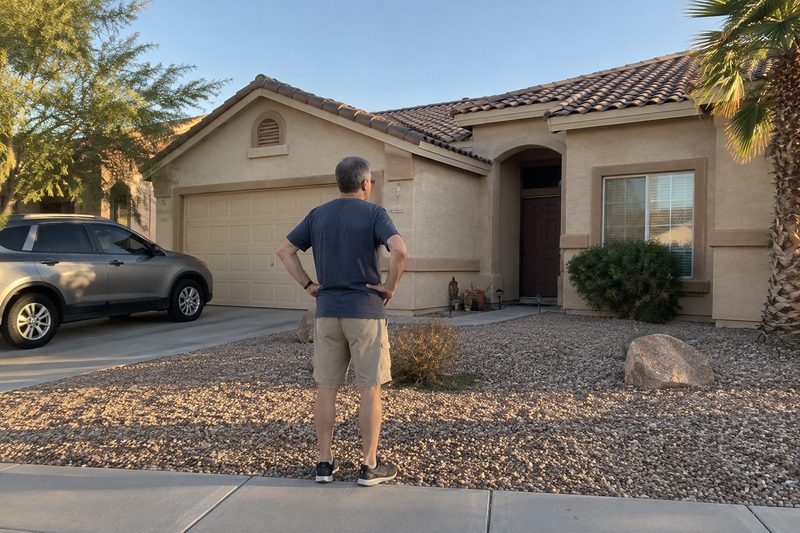
Maybe you want to sell quickly and move on. Maybe you would put some work into the property if it meant walking away with more money. Or maybe you want to see what buyers will offer before deciding whether repairs are worth it.
You have options. The useful question is which approach fits your property, your schedule, and how much of the work you want to take on.
Here are four approaches to consider. They can overlap: an investor can buy a property offered on the market, and a seller handling their own sale can accept either a cash or financed offer.
Win the pricing war or the beauty contest.

Sell it as-is
Skip the renovation. Let the buyer take on the work. Set a price that reflects the condition.

Get it ready to shine
Take on repairs and preparation. Put time and money in before selling. Compete with move-in-ready properties.
Four approaches to consider
-
Get a direct cash offer
Bring the property to an investor who can evaluate it in its current condition. Compare the convenience with the actual price and terms.
-
Put it on the market as-is
Reach more buyers, including smaller investors who shop with an agent, without taking on a renovation first.
-
Prepare it for retail buyers
Make selected improvements to appeal to buyers who want to live there. Weigh the potential extra proceeds against the work, cost, and time.
-
Sell it yourself
Handle the marketing and buyer conversations yourself. You can pursue either investors or retail buyers.
When does a direct cash offer make sense?
A direct cash offer is worth considering when avoiding repairs, showings, and a longer marketing process matters to you.
You bring the property to a buyer who evaluates it and offers to purchase it. For an investor, the property needs to work as an investment. Their offer may account for repairs, ownership expenses, resale or rental plans, and the return they need. Our guide to selling a house as-is in Las Vegas shows how an investor works out that number.
The convenience has a tradeoff: an investor's price may be lower than what a buyer planning to live in a repaired property would pay. Compare that difference with the work and expense you would take on to pursue the other sale.
A cash offer can remove the need for a buyer's mortgage approval, but the word cash does not tell you every condition of the deal. Ask for evidence of the buyer's ability to close, the inspection terms, any fees or deductions, and the proposed closing date. Find out what could allow the buyer to change the price or cancel.
If a Notice of Default has been recorded, the date on your notice may decide this for you. Our guide to selling after a Notice of Default in Nevada covers which options fit the time you have.
Can I reach more buyers without fixing the property up?
Yes. You can put the property on the market in its current condition and let buyers decide what they would pay for it.
This opens the conversation beyond the buyers you contact directly. It can reach smaller investors who search with an agent, rental-property buyers, and people willing to make improvements for themselves. If the property is rented now, selling with a tenant in place explains which of these buyers will take it with the lease running.
The asking price and presentation should reflect the property's condition. If the goal is a faster sale, ask your agent which comparable sales support the proposed price and which buyers the property is likely to suit.
You still need a plan for photographs, access, showings, and reviewing offers. Buyers may request inspections or negotiate over condition. Agree in advance on what work you are willing to do and which requests you would prefer to address through price or terms.
It doesn’t have to be all or nothing. A little preparation may be enough.
You can do the work—or leave room in the price for the next owner to do it.
Would fixing it up leave me with more money?
It might, if the additional sale proceeds outweigh the work, selling expenses, and extra time involved.
Preparing for retail buyers means making the property appealing to people who want to live there. That could mean cleaning, paint, and selected repairs. It could also mean a larger renovation, with a very different budget and schedule.
Before committing, compare nearby properties that sold in similar condition with those that sold after improvements. Get written estimates for the proposed work. Ask which improvements are necessary to compete with those properties and which would be optional.
Then account for the time to arrange contractors, complete the work, market the property, and close. Keep room in the budget for unexpected work and delays. A higher sale price is useful only if the additional proceeds justify what you spend and take on.
If speed is your main priority, a renovation may not fit. If the property needs only modest preparation and you have flexibility, this approach may deserve a closer look.
What changes if I sell it myself?
Selling for sale by owner, or FSBO, puts you in charge of finding buyers and managing the sale.
You can sell as-is or prepare the property first. You can seek investors or buyers who plan to live there. The difference is who does the work: pricing, photographs, advertising, inquiries, showings, negotiations, and coordinating the steps toward closing.
This may appeal if you already have a prospective buyer or are comfortable managing the process. Before choosing it, decide how you will evaluate a buyer's ability to close and who will help you understand the paperwork and deadlines.
Compare actual expenses rather than assuming FSBO has no selling costs. Marketing, professional assistance, closing charges, and any compensation you agree to pay a buyer's agent can affect what you keep. Agent compensation is negotiable, not a fixed rate set by law. NAR's guidance explains compensation choices and buyer-agent fee requests.
What should I compare before choosing?
Compare each approach against the same priorities: your deadline, the work required, estimated proceeds, and the conditions of an actual offer.
- Your timeline: When do you need the sale completed, and when do you need to move? Allow for preparation and finding a buyer as well as the time under contract.
- Your budget and workload: What can you spend before closing? Who will arrange repairs, clear belongings, and provide access?
- Your expected proceeds: Account for agreed fees, closing costs, repairs, concessions, ownership expenses, and the loan or lien payoffs that apply. Keep estimates separate from confirmed amounts.
- The written offer: Review the price alongside deposits, inspections, financing conditions, closing date, possession arrangements, and cancellation rights.
Ask a title or escrow professional for a transaction-specific estimate of closing charges and payoffs. When comparing the cost of waiting, avoid counting mortgage principal twice: payments that reduce principal also change the eventual payoff.
Selling as-is does not by itself remove applicable disclosure duties. Nevada's residential disclosure law includes requirements, exceptions, and waiver provisions. Ask your agent or a Nevada real estate attorney what applies to your sale.
Where should I start?
Start with your ideal outcome: when you want to be done, what work you are willing to do, and what you hope to walk away with.
At Olive Tree Homes, we can walk through the property with you, discuss your goals and timeline, and help you compare an approach that fits. A cash offer and broader market exposure can both be considered in the selling plan. Before moving forward, we explain the proposed arrangement and applicable costs so you know what you are agreeing to.

Tell us about your property to start the conversation.
Sources
This site is protected by reCAPTCHA and the Google Privacy Policy and Terms of Service apply.